NEWS · 2026-11-24
India’s Rooftop Solar Market Moves Toward Solar + Storage: What the New Policy Proposal Means
India’s Ministry of Power has proposed changes that could give state regulators greater authority to introduce energy storage requirements for rooftop solar projects. The proposed reforms could reshape rooftop solar, net metering and Time-of-Day tariffs while accelerating the adoption of solar-plus-storage solutions across commercial and industrial facilities.
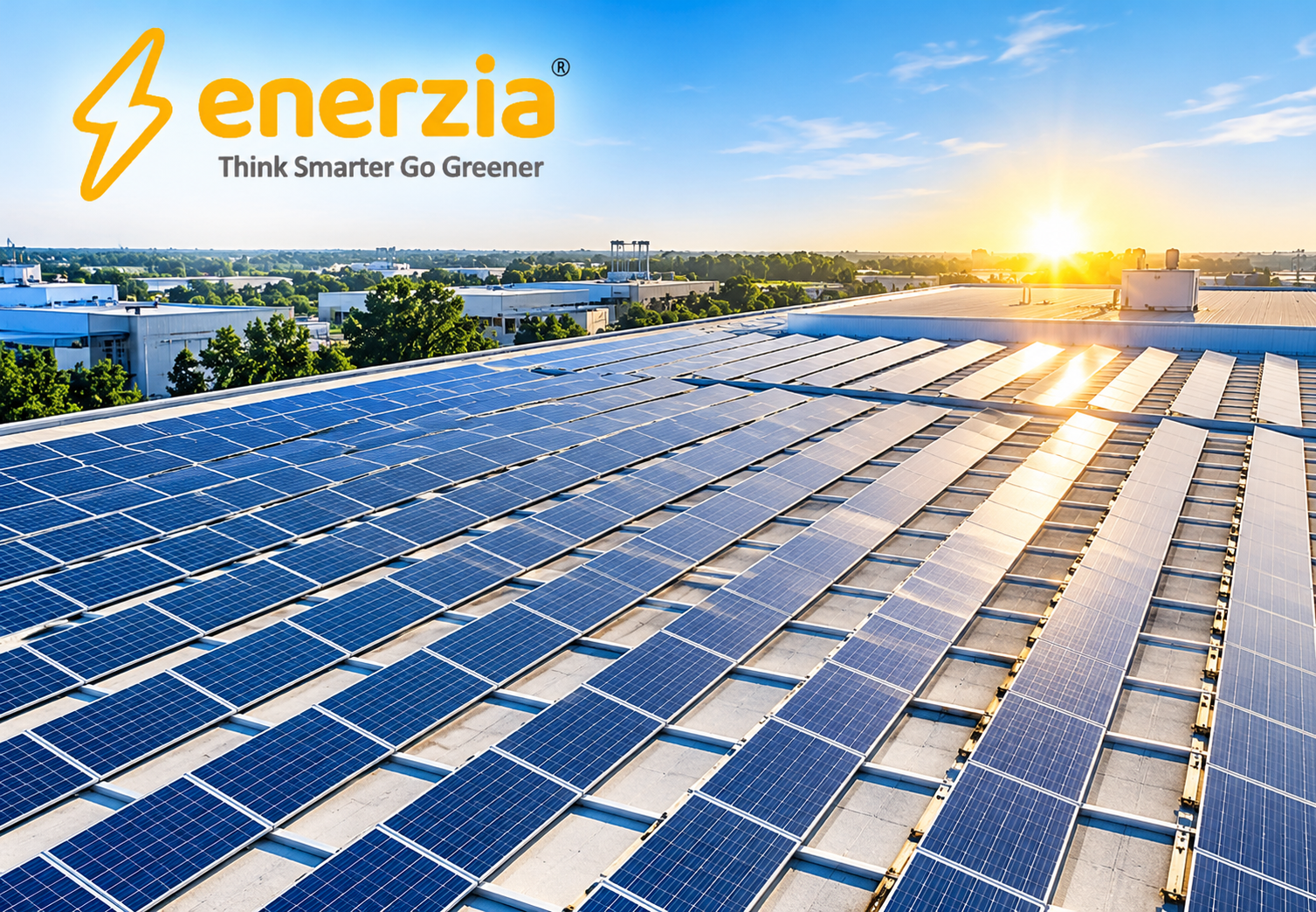
India’s rooftop solar sector is entering a new phase where generating clean electricity may increasingly go hand in hand with storing it.
The Ministry of Power has proposed amendments to the Electricity (Rights of Consumers) Rules, 2020, which could allow State Electricity Regulatory Commissions (SERCs) to mandate Energy Storage Systems (ESS) for certain rooftop renewable energy installations. The proposed changes also address net metering, Time-of-Day (ToD) tariffs and rooftop solar capacity limits.
For businesses and industries considering rooftop solar, this signals an important shift: future solar projects may need to be designed not only around generation capacity, but also around how electricity is stored, consumed and managed.
Why Energy Storage Is Becoming Important
Solar generation is naturally concentrated during daylight hours, while electricity demand often continues into the evening.
Battery Energy Storage Systems (BESS) can help bridge this gap by storing excess solar energy and making it available when it is needed.
For a commercial or industrial facility, this can support:
- Better utilisation of solar power generated during the day
- Reduced dependence on grid electricity during selected periods
- Backup support for essential loads
- Improved energy management
- Greater flexibility in responding to Time-of-Day electricity tariffs
- More effective integration of renewable energy with existing electrical infrastructure
The proposed policy direction reflects the growing need to integrate renewable generation with storage as rooftop solar adoption expands.
What the Proposed Rules Could Mean
The proposed amendments would give SERCs greater flexibility to determine requirements according to state-level conditions.
One of the key proposals is the ability for state regulators to mandate energy storage systems for rooftop solar installations above a specified capacity threshold. This could result in different storage requirements across states depending on local grid conditions and regulatory decisions.
This state-level approach is important because India's electricity distribution environment varies considerably between regions.
For solar developers, EPC companies and consumers, understanding the applicable state regulations will therefore become increasingly important when planning new rooftop projects.
Changes to Net Metering Could Influence Project Economics
The proposed amendments also include changes to the net-metering framework.
Net metering allows consumers with renewable energy systems to account for electricity exported to and imported from the grid. Under the proposed framework, state regulators would have greater authority over applicable net-metering limits and charges. Solar installations up to 5 kW have been identified for exemption from proposed net-metering charges in the draft framework.
For larger rooftop solar systems, project economics may therefore increasingly depend on factors such as:
- Solar generation profile
- On-site consumption
- Grid export
- Storage capacity
- Electricity tariffs
- Network-related charges
- Operating hours
This makes proper system design more important than simply selecting a larger solar capacity.
Time-of-Day Tariffs Could Increase the Value of Storage
Another important aspect of the proposed changes is the continued evolution of Time-of-Day electricity tariffs.
ToD tariffs are designed to encourage consumers to use electricity during periods when the grid has greater availability and reduce consumption during peak-demand periods.
For businesses with solar and battery storage, this can create an opportunity to shift stored solar energy to periods when electricity costs are higher.
For example:
Solar generation during the day → Battery charging → Stored energy used during selected evening/peak periods
This type of energy management can become increasingly valuable for facilities with significant daytime and evening electricity consumption.
India's existing ToD framework already provides lower tariffs during designated solar hours and higher tariffs during peak periods, while the proposed amendments seek further changes to the implementation timeline and framework.
What This Means for Commercial & Industrial Consumers
For commercial and industrial consumers, the policy direction reinforces an important message: rooftop solar should be evaluated as part of the site's overall energy system.
A well-designed solar-plus-storage system should consider:
- Historical electricity consumption
- Daytime and evening load patterns
- Sanctioned load
- Existing electrical infrastructure
- Solar generation potential
- Required backup loads
- Battery power capacity
- Battery energy capacity
- Applicable tariff structure
- Net-metering regulations
- Future expansion requirements
Battery sizing is particularly important.
A battery designed for short-duration backup is different from a battery designed to shift solar energy into evening consumption or manage peak demand. The required power rating in kW and energy capacity in kWh should therefore be determined according to the actual operating requirement.
Solar + Storage: A More Integrated Energy Strategy
The proposed regulatory changes are part of a broader transition in India's electricity sector.
The focus is gradually moving from simply adding renewable generation capacity toward creating systems that can integrate renewable energy more effectively with the grid.
Solar panels generate electricity.
Battery storage provides flexibility.
Energy management determines when that electricity should be used.
Together, these technologies can create a more responsive and efficient energy system.
For businesses, this means future solar investments may increasingly need to consider the complete energy lifecycle rather than looking only at installed solar capacity.
What Businesses Should Do Now
Businesses planning a new rooftop solar project should keep future storage requirements in mind even if a battery is not immediately required.
A practical approach is to:
-
Review current electricity consumption and operating hours.
-
Identify daytime, evening and peak-period loads.
-
Assess available rooftop or ground space.
-
Review the site's existing electrical infrastructure.
-
Evaluate whether battery storage could provide operational or financial value.
-
Check the latest regulations applicable to the relevant state and distribution licensee.
-
Design the electrical system with future solar and storage expansion in mind.
This approach can help avoid costly redesigns when regulatory or operational requirements change.
How Enerzia Can Help
At Enerzia Solar, we believe solar projects should begin with the site's energy requirements—not simply with the number of panels that can fit on a roof.
Our team evaluates electricity consumption, operating patterns, available roof area, existing electrical infrastructure and project objectives before recommending a solution.
Enerzia Solar provides solutions across:
- Residential and apartment rooftop solar
- Commercial and industrial solar
- Hybrid solar systems
- Battery Energy Storage Systems
- Solar + storage solutions
- Plant optimisation and maintenance
- Utility-scale solar EPC
With Enerzia Group's electrical engineering experience and project execution capabilities, our approach connects solar generation with the wider electrical system of the facility.
The Road Ahead
The proposed amendments to India's electricity consumer rules indicate that rooftop solar is becoming increasingly integrated with energy storage, flexible electricity consumption and smarter grid management.
The final regulations and subsequent state-level decisions will determine exactly how these provisions are implemented.
For businesses considering solar today, however, one thing is already clear: the future of rooftop solar is moving beyond generation toward intelligent energy management.
Solar + storage can give businesses greater control over when renewable energy is generated, stored and consumed.
At Enerzia Solar, we are ready to help businesses evaluate that transition with solutions designed around their actual power requirements.
Think Smarter. Go Greener.